Close Menu
 
Home » Events & Projects » Montrose, Argyll and the 1637 Supplications Campaign

1st Marquis of Montrose Society – Autumn Lecture – 1st November 2025 – Royal Scots Club, 29-31 Abercromby Place, Edinburgh EH3 6QE

Professor Karin Bowie, Professor of Early Modern History at the University of Glasgow, will give a talk on the political lead up to the signing of the Covenant. All are welcome. Please contact the secretary on 1stmoms1650@gmail.com if you wish to attend.

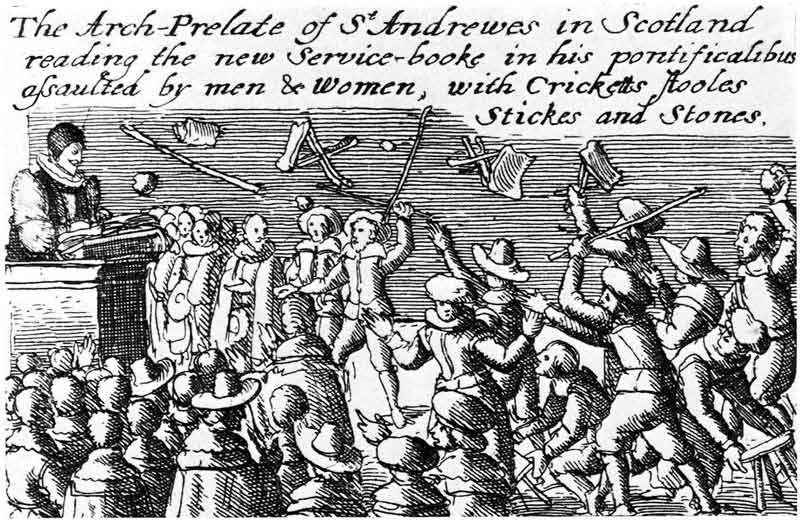
In August 1640, James Graham, earl of Montrose joined a small group of noblemen in signing the Cumbernauld Bond, a secret agreement to combat ‘a few’ in the Covenanter leadership—notably Archibald Campbell, the earl and future marquis of Argyll—who seemed to have gained too much power from the Covenanter rebellion. Argyll had been late in joining the Covenanter movement, finally signing the Covenant in April 1639, yet he had rocketed to the top of this revolutionary regime. New research on prayer book petitions brought to Edinburgh in 1637 shows how this extraordinary campaign combined public leadership by nobles like Montrose with previously unknown behind-the-scenes activity by Margaret Douglas, Lady Lorne, Archibald Campbell’s wife. The supplications show that leading Campbells were integral to the Covenanter movement from the beginning, though Lorne held back until he gained his earldom and suddenly became, according to the marquis of Hamilton, ‘the dangerousest man’ in Scotland.


This website uses cookies
This site uses cookies to enhance your browsing experience. We use necessary cookies to make sure that our website works. We’d also like to set analytics cookies that help us make improvements by measuring how you use the site. By clicking “Allow All”, you agree to the storing of cookies on your device to enhance site navigation, analyse site usage, and assist in our marketing efforts.
These cookies are required for basic functionalities such as accessing secure areas of the website, remembering previous actions and facilitating the proper display of the website. Necessary cookies are often exempt from requiring user consent as they do not collect personal data and are crucial for the website to perform its core functions.
A “preferences” cookie is used to remember user preferences and settings on a website. These cookies enhance the user experience by allowing the website to remember choices such as language preferences, font size, layout customization, and other similar settings. Preference cookies are not strictly necessary for the basic functioning of the website but contribute to a more personalised and convenient browsing experience for users.
A “statistics” cookie typically refers to cookies that are used to collect anonymous data about how visitors interact with a website. These cookies help website owners understand how users navigate their site, which pages are most frequently visited, how long users spend on each page, and similar metrics. The data collected by statistics cookies is aggregated and anonymized, meaning it does not contain personally identifiable information (PII).
Marketing cookies are used to track user behaviour across websites, allowing advertisers to deliver targeted advertisements based on the user’s interests and preferences. These cookies collect data such as browsing history and interactions with ads to create user profiles. While essential for effective online advertising, obtaining user consent is crucial to comply with privacy regulations.